

Corrosion Prevention Strategies and Practical Techniques for Tungsten Carbide Dies
In the crucial links of industrial production, tungsten carbide dies hold an irreplaceable and significant position due to their extraordinary hardness, excellent wear resistance, and outstanding stability. However, even with […]
In the crucial links of industrial production, tungsten carbide dies hold an irreplaceable and significant position due to their extraordinary hardness, excellent wear resistance, and outstanding stability. However, even with these superior characteristics of tungsten carbide material, the dies are still not completely immune to the potential threat of corrosion. Corrosion not only significantly reduces the service life of the dies but may also severely disrupt the production process, thereby affecting the economic benefits of enterprises. Therefore, implementing effective anti-corrosion measures is of utmost importance for ensuring die performance and stabilizing production order. This article will comprehensively and in-depth analyze the methods and techniques for preventing corrosion of tungsten carbide dies, helping relevant personnel protect and utilize these high-value tools more scientifically and efficiently.
I. Analysis of Corrosion Causes and Explanation of Its Hazards
Before delving into anti-corrosion methods, accurately grasping the causes of corrosion in tungsten carbide dies is a fundamental and crucial step. Corrosion usually occurs as a result of chemical reactions between moisture, oxygen, and various chemical substances in the environment and the die surface. These chemical reactions gradually destroy the protective layer on the die surface, causing it to lose its protective function for the internal material, and then lead to the erosion of the internal material. As the degree of corrosion intensifies, the performance of the die will significantly decline and may even eventually fail. The hazards caused by corrosion are multifaceted. It not only seriously affects the precision of the die and shortens its service life but may also have a negative impact on the quality of products during the production process, increasing the defect rate and raising production costs.
Notre activité : pièces en carbure, pièces de moule, moules d'injection médicale, moules d'injection de précision, moulage par injection de téflon PFA, raccords de tubes PFA. email : [email protected],whatsapp:+8613302615729.
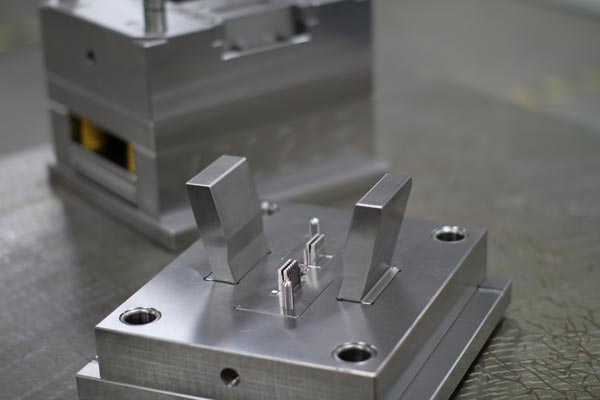
II. Diverse Methods and Practical Techniques for Corrosion Prevention
(I) Select Appropriate Materials
Although this article focuses on tungsten carbide dies, there are differences in the quality and alloy composition of tungsten carbide. Selecting high-quality tungsten carbide materials with excellent anti-corrosion performance is the primary measure to prevent corrosion. When purchasing dies, it is essential to strictly evaluate the anti-corrosion performance of the materials and give priority to products that have undergone special treatment and have higher corrosion resistance. For example, some tungsten carbides that have undergone special alloying treatment have a more stable internal structure, which can effectively resist the erosion of chemical substances and thus extend the service life of the dies.
(II) Maintain a Dry and Clean Environment
Keeping the dies dry and clean is the core aspect of preventing corrosion. During the use and storage of the dies, ensure that they are kept away from humid environments and various corrosive substances. After use, promptly clean the residues on the die surface to prevent long-term retention of chemical substances from causing corrosion. For the storage environment, it is advisable to choose a dry and well-ventilated place to reduce the humidity in the air and minimize the possibility of corrosion. For example, dehumidification equipment can be installed in the warehouse where the dies are stored to maintain the relative humidity of the air within a reasonable range.
(III) Apply Anti-rust Oil Scientifically
Applying anti-rust oil is an effective means of preventing corrosion of tungsten carbide dies. Anti-rust oil can form a dense protective film on the die surface, effectively isolating air and moisture, thereby reducing the risk of corrosion. When selecting anti-rust oil, full consideration should be given to its compatibility with the die material to ensure that the anti-rust oil will not cause damage to the die surface. At the same time, attention should be paid to the anti-rust effect and durability of the anti-rust oil, and reliable products should be selected. Regularly applying anti-rust oil can keep the dies in a good protective state. For example, formulate a reasonable application cycle according to the usage frequency and environmental conditions of the dies to ensure that the anti-rust oil can continue to play a role.
(IV) Adopt Electroplating or Coating Protection Technology
Electroplating or coating protection is an important method to enhance the corrosion resistance of dies. By electroplating a layer of metal or applying a layer of special coating on the die surface, the corrosion resistance of the die can be significantly improved. For example, electroplating methods such as chrome plating and nickel plating can form a hard and dense metal layer on the die surface, effectively resisting the erosion of chemical substances. In addition, some new anti-corrosion coatings, such as ceramic coatings and polymer coatings, also have excellent anti-corrosion performance and can provide additional protection for the dies. When selecting electroplating or coating methods, comprehensive consideration should be given to the specific use environment and requirements of the dies to ensure that the selected method can meet the actual production needs.
(V) Strengthen Regular Inspection and Maintenance
Regular inspection and maintenance are key links to ensure long-term corrosion prevention of dies. A complete die inspection system should be established to conduct comprehensive inspections on the dies at regular intervals. Once signs of corrosion are detected, corresponding treatment measures should be taken immediately. For minor corrosion, methods such as grinding and polishing can be used for repair to restore the flatness and smoothness of the die surface. For severe corrosion, it may be necessary to replace part or the entire die to prevent further spread of corrosion and affect production safety. In addition, regular maintenance and upkeep of the dies, such as cleaning and applying anti-rust oil, are also important measures to extend the service life of the dies.
III. Key Considerations in Operation and Use
In addition to the above anti-corrosion methods, the following considerations are also crucial during the operation and use of the dies. First, operators should be fully familiar with the operating procedures and maintenance methods of the dies and receive professional training before taking up their posts to avoid damage or corrosion of the dies due to misoperation. Second, during use, parameters such as temperature, pressure, and speed should be reasonably controlled to ensure that they are within the bearing range of the dies. Excessively high or low temperatures may cause damage to the dies and affect their performance and service life. Finally, during the storage and transportation of the dies, ensure their safety and stability and take necessary protective measures to prevent collisions and friction from causing surface damage and corrosion to the dies. For example, special die packaging boxes can be used for storage and transportation, and buffer materials can be filled in the packaging boxes to reduce the vibration and impact received by the dies.
IV. Summary and Prospects
Preventing corrosion of tungsten carbide dies is a systematic and complex task involving multiple aspects such as material selection, environmental control, application of protection technologies, and regular inspection and maintenance. By adopting comprehensive and effective anti-corrosion measures, the service life of the dies can be significantly extended, production efficiency can be improved, and production costs can be reduced, creating greater economic benefits for enterprises. With the continuous progress of science and technology and the continuous emergence of new materials, we have reason to believe that more advanced anti-corrosion technologies and methods will appear in the future. For example, the application of nanotechnology in the field of anti-corrosion is expected to provide more efficient and durable protection for tungsten carbide dies; the development of intelligent monitoring technology can realize real-time monitoring and early warning of the corrosion status of dies, providing strong support for timely adoption of anti-corrosion measures. The emergence of these new technologies and methods will bring more choices and possibilities to the anti-corrosion work of tungsten carbide dies.
In practical applications, we should select appropriate anti-corrosion methods according to the specific situation and use environment of the dies and strictly implement relevant operating procedures. At the same time, strengthen employee training and safety awareness education, improve employees’ awareness of the importance of anti-corrosion work and their operating skills, and ensure that anti-corrosion measures can be effectively implemented. Only by comprehensively and systematically carrying out anti-corrosion work can we give full play to the advantages of tungsten carbide dies, create more value for industrial production, and promote the continuous development of the industry.



 English
  Deutsch
  Français
  日本語
日本語  한국어
한국어  Español
  Português
  Italiano
  Nederlands
  Русский
  Bahasa Indonesia
  العربية