

Practical Strategies for Im enhancing the Cutting Efficiency of Tungsten Carbide Dies
I. Introduction In the field of precision machining in the manufacturing industry, tungsten carbide dies have become indispensable tools for the production of numerous key components due to their excellent […]
I. Inleiding
In the field of precision machining in the manufacturing industry, tungsten carbide dies have become indispensable tools for the production of numerous key components due to their excellent characteristics of high hardness, high wear resistance, and high toughness. However, these superior properties of tungsten carbide dies also bring about challenges in cutting machining. Their high hardness subjects the cutting tools to immense pressure during the cutting, and their high toughness can lead to problems such as built-up edge formation during cutting, resulting in low cutting efficiency and severe tool wear. This not only affects production schedules but also significantly increases production costs. Therefore, exploring effective methods to improve the cutting efficiency of tungsten carbide dies is of paramount importance for enhancing a enterprise’s production efficiency and market competitiveness. This article will delve into specific strategies for improving the cutting efficiency of tungsten carbide dies from multiple dimensions, including the optimization of cutting parameters, precise selection of cutting tools, rational use of cutting fluids, and improvement of machining processes.
II. Optimization of Cutting Parameters
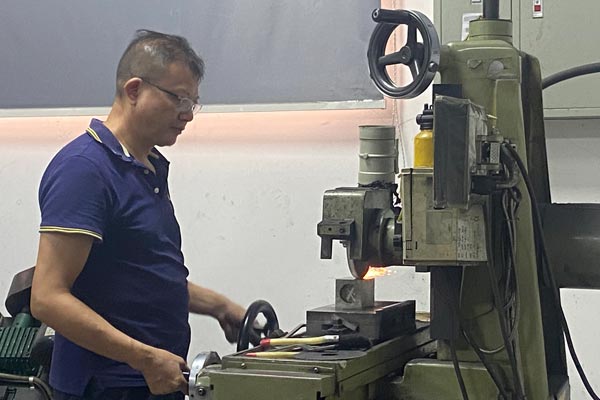
Cutting parameters, as one of the core factors affecting the cutting efficiency of tungsten carbide dies, play a crucial role in reducing cutting forces, controlling cutting temperatures, and minimizing tool wear, thereby directly determining the level of cutting efficiency. Here are some practical suggestions for optimizing cutting parameters:
Onze fabriek business: carbide onderdelen, schimmel onderdelen, medische spuitgietmatrijzen, precisie spuitgietmatrijzen, teflon PFA spuitgieten, PFA buismontage. e-mail: [email protected],whatsapp:+8613302615729.
Cutting Speed
Cutting speed is a key variable in the cutting process. When the cutting speed is too high, the heat generated in the cutting area increases rapidly, leading to excessive cutting temperatures. High temperatures can accelerate the softening and wear of the cutting tool material, shorten the tool’ service life. Conversely, if the cutting speed is too slow, the volume of material removed per unit time decreases, resulting in a significant drop in cutting efficiency. Therefore, it is essential to accurately select an appropriate cutting speed based on the specific material and hardness of the tungsten carbide die through extensive experiments and data analysis to achieve a balance between cutting efficiency and tool life.
Feed Rate
The feed rate refers to the distance the cutting tool moves along the feed direction of the workpiece per unit time. Excessive feed rates can lead to a significant increase in cutting forces, putting more load on the cutting tool, accelerating wear, and even causing serious problems such as tool chipping. On the other hand, too small feed rates can extend cutting time and reduce cutting efficiency. In actual machining, it is necessary to comprehensively consider cutting conditions, such as the hardness of the workpiece material and the strength of the cutting tool, and determine the optimal feed rate through repeated trials.
Cutting Depth
Cutting depth is the maximum depth to which the cutting tool penetrates the workpiece. Excessive cutting depths can cause a substantial increase in cutting forces and temperatures, leading to faster tool wear. At the same time, it may cause the workpiece to deform, affecting machining accuracy. Shallow cutting depths, although resulting in relatively less tool wear, increase the cutting travel and reduce cutting efficiency. Therefore, cutting depth should be set reasonably according to factors such as the size and shape of the workpiece and the machining accuracy requirements to ensure improved cutting efficiency while maintaining processing quality.
III. Tool Selection
As a key component that directly contacts the workpiece during cutting machining, the performance of the cutting tool has a decisive impact on cutting efficiency. Given the high hardness and high toughness of tungsten carbide dies, precisely selecting the appropriate cutting tools is a core aspect of improving cutting efficiency. Here are some key suggestions for tool selection:
Tool Material
Considering the high hardness of tungsten carbide dies, the cutting tool material must possess extremely high hardness and excellent wear resistance. Carbide cutting tools, with their high hardness, high strength, and good wear resistance, are a common choice for machining tungsten carbide dies. Ceramic cutting tools offer even higher hardness and heat resistance, performing well in high-speed cutting of tungsten carbide dies. Additionally, cubic boron nitride (CBN) cutting tools, with their extremely high hardness and superior wear resistance, are suitable for machining high-hardness tungsten materials.
Tool Structure
The design of the tool structure should be optimized according to the specific cutting requirements of tungsten carbide dies. For dies requiring high-precision machining, it is advisable to choose tool structures with lower cutting forces and higher rigidity, such as slender-刃 cutting tools or cutting tools with guiding devices, to reduce vibrations during cutting and ensure machining accuracy. For dies requiring large material removal volumes, tool structures with higher cutting forces and strength, such as those with large rake and clearance angles, should be selected to improve cutting efficiency and tool durability.
Tool Coating
Coating technology is an effective means to enhance tool performance. By applying a special coating material on the surface of the cutting tool, the hardness, wear resistance, and lubricity of the tool can be improved. Common tool coating materials include titanium nitride (TiN) and titanium aluminum nitride (TiAlN). These coating materials can form a lubricating film between the tool and the workpiece, reducing cutting forces and temperatures, minimizing tool wear, and thus significantly improving cutting efficiency.
IV. Use of Cutting Fluids
Cutting fluids play important roles in cooling, lubricating, and cleaning during the cutting machining process. Given the high hardness and high toughness of tungsten carbide dies, the rational selection and use of cutting fluids are crucial for improving cutting efficiency. Here are some suggestions for using cutting fluids:
Types of Cutting Fluids
According to the cutting requirements of tungsten carbide dies, cutting fluids with good cooling, lubricating, and cleaning properties should be selected. Water-based cutting fluids offer advantages such as good cooling effects and low cost, making them suitable for most cutting operations of tungsten carbide dies. Oil-based cutting fluids provide better lubrication, effectively reducing friction between the tool and the workpiece, and are suitable for high-speed cutting and high-precision machining. Additionally, some synthetic cutting fluids, combining the advantages of water-based and oil-based fluids, have a wider range of applications.
Concentration of Cutting Fluids
The proper adjustment of the cutting fluid concentration directly affects its performance. Excessive concentration can increase the viscosity of the cutting fluid, reduce fluidity, and decrease lubrication, while also increasing costs and environmental pollution. Too low concentration may result in insufficient cooling and lubrication, failing to effectively reduce cutting temperatures and forces, leading to accelerated tool wear. Therefore, the optimal cutting fluid concentration should be determined through experiments based on cutting conditions and fluid performance requirements, and regular detection and adjustment should be carried out.
Supply Method of Cutting Fluids
The supply method of cutting fluids should be selected according to the cutting characteristics and processing requirements of tungsten carbide dies. Common supply methods include spraying and flooding. Spraying can uniformly distribute the cutting fluid in the cutting area, providing good cooling and lubrication, especially suitable for high-speed cutting and deep-hole machining. Flooding can provide a large amount of cutting fluid, effectively flushing away chips and keeping the cutting area clean, making it suitable for large material removal volumes and heavy-duty cutting. In practical applications, appropriate supply methods can be selected based on specific circumstances or a combination of methods can be used.
V. Improvement of Machining Processes
The rationality of the machining process has a significant impact on cutting efficiency. By optimizing the machining process, cutting conditions can be improved, and cutting efficiency can be enhanced. Here are some suggestions for improving machining processes:
Separate Rough and Finish Machining
Separating rough and finish machining is an effective machining strategy. During rough machining, larger cutting parameters are used to quickly remove most of the machining allowance, creating good conditions for finish machining. During finish machining, smaller cutting parameters are employed to ensure machining accuracy and surface quality. This separate machining approach can prevent excessive tool wear during finish machining due to large cutting forces, while improving processing efficiency and product quality.
Multi-Step Machining
For tungsten carbide dies with complex shapes, multi-step machining can reduce cutting difficulty and improve cutting efficiency. By breaking down the complex machining process into multiple simple steps and gradually completing the die machining, the cutting force and temperature in each step can be reduced, tool wear can be minimized, and machining accuracy can be easier to control. For example, for dies with multiple cavities, each cavity can be machined separately first, followed by overall finish machining.
adoption of CNC Machining Technology
CNC machining technology is characterized by high precision, high efficiency, and a high degree of automation. By using CNC machining equipment, precise control over the machining process can be achieved, reducing the impact of human factors on processing quality. At the same time, CNC machining technology can quickly and accurately complete machining of various complex shapes, improving production efficiency and product quality. When machining tungsten carbide dies, the advantages of CNC machining technology can be utilized to optimize cutting paths, reduce idle travel time, and further improve cutting efficiency.
VI. Conclusie
Improving the cutting efficiency of tungsten carbide dies is a systematic project that requires comprehensive consideration and collaborative optimization from multiple aspects, including the optimization of cutting parameters, precise selection of cutting tools, rational use of cutting fluids, and improvement of machining processes. By setting cutting parameters scientifically and reasonably, selecting appropriate cutting tools and fluids, and continuously improving machining processes, the cutting efficiency of tungsten carbide dies can be effectively enhanced, production costs can be reduced, and a enterprise’s competitiveness in the market can be strengthened. In actual production, enterprises should combine their own equipment conditions, technical levels, and production needs, continuously explore and practice, and summarize the best plan for improving the cutting efficiency of tungsten carbide dies that suits their own situation.
FAQ
Q: How can I determine if the cutting parameters are optimized to the best state?
A: Determining if the cutting parameters are optimized to the best state requires comprehensive consideration of multiple factors. You can observe the wear condition of the cutting tool. If the tool wear is uniform and it reaches the expected service life within a reasonable time, the cutting parameters are relatively appropriate. Monitoring parameters such as cutting forces and temperatures during the cutting process is also important. If these parameters are stable and within reasonable ranges, it indicates that the cutting parameters are well-optimized. Additionally, checking the quality of the machined workpiece, such as dimensional accuracy and surface roughness, to see if they meet requirements, is also a crucial basis for judgment.
Q: Besides common tool materials, what other new tool materials can be used for machining tungsten carbide dies?
A: In addition to common tool materials such as carbide, ceramic, and cubic boron nitride (CBN), polycrystalline diamond (PCD) cutting tools can also be used for machining tungsten carbide dies. PCD cutting tools offer extremely high hardness and wear resistance, making them particularly suitable for machining high-hardness, high-wear-resistant non-metal materials and non-ferrous metals. They can also perform well in certain special machining scenarios of tungsten carbide dies. However, PCD cutting tools are relatively expensive and have higher brittleness, so it is necessary to control the machining conditions when using them.
Q: What should I do if the cutting fluid deteriorates during use?
A: When the cutting fluid deteriorates, prompt action should be taken. First, stop using the deteriorated cutting fluid and discharge it into a special container for proper disposal to avoid environmental pollution. Then, thoroughly clean the cutting fluid system, including the cutting fluid tank, pipes, and pumps, to remove any remaining deteriorated fluid and impurities. Finally, according to the type and requirements of the cutting fluid, prepare or replace new cutting fluid and adjust parameters such as concentration before continued use.
Q: What specific advantages does CNC machining technology offer in improving the cutting efficiency of tungsten carbide dies?
A: CNC machining technology offers several advantages in improving the cutting efficiency of tungsten carbide dies. It enables automated control of the machining process, reducing manual operations and interventions, and improving processing stability and consistency. It can precisely control the tool’s motion path and cutting parameters, optimize cutting paths, and reduce idle travel time, enhancing cutting efficiency. Additionally, CNC machining equipment has high rigidity and precision, meeting the requirements of high-speed and high-precision machining, ensuring processing quality and reducing the rate of rework and scrap due to processing quality issues, thus indirectly improving production efficiency.




 English
  Deutsch
  Français
  日本語
日本語  한국어
한국어  Español
  Português
  Italiano
  Nederlands
  Русский
  Bahasa Indonesia
  العربية