
Analysis of the Environmental Protection Performance of Tungsten Carbide Die Materials
I. Introduction In the context of the increasingly strong global awareness of environmental protection, concepts such as green manufacturing and sustainable development have become crucial directions for the development of […]
I. Introdução
In the context of the increasingly strong global awareness of environmental protection, concepts such as green manufacturing and sustainable development have become crucial directions for the development of the manufacturing industry. As an important material in the field of die manufacturing, the environmental protection performance of tungsten carbide die materials has attracted widespread attention. This article will explore the environmental protection performance of tungsten carbide die materials from aspects such as their characteristics, environmental protection measures during the production process, and recycling and utilization.
II. Characteristics and Environmental Advantages of Tungsten Carbide Die Materials
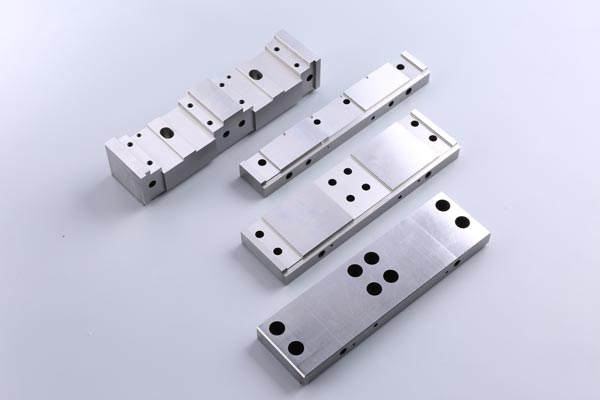
Tungsten carbide, also known as hard alloy, is a composite material prepared by powder metallurgy methods using tungsten carbide (WC) and metal binders (such as cobalt, nickel, etc.). It boasts excellent properties such as high hardness, high wear resistance, high strength, good heat resistance, and corrosion resistance, making it widely used in fields like die manufacturing and cutting tools. In terms of environmental protection, tungsten carbide die materials have the following significant characteristics:
O nosso negócio de fábrica: peças de metal duro, peças de molde, moldes de injeção médica, moldes de injeção de precisão, moldagem por injeção de teflon PFA, acessórios para tubos PFA. e-mail: [email protected],whatsapp:+8613302615729.
Excellent Durability
The high hardness and high wear resistance of tungsten carbide die materials endow them with a long service life. This greatly reduces the need for frequent die replacement, thereby decreasing the amount of waste generated and resource consumption during the production and processing processes, contributing to environmental protection from the source.
Outstanding High-Temperature Resistance
In high-temperature environments, tungsten carbide die materials can still maintain stable hardness and performance, making them well-suited for high-temperature processing and forming processes. This not only helps reduce energy consumption during high-temperature processing but also effectively minimizes the environmental pollution caused thereby, providing strong support for green manufacturing.
Remarkable Corrosion Resistance
Tungsten carbide die materials have good corrosion resistance and can withstand the erosion of various chemical substances. This significantly reduces the frequency of die damage and replacement due to corrosion, lowering the amount of waste generated during production and processing and further highlighting their environmental protection characteristics.
III. Environmental Protection Measures in the Production Process of Tungsten Carbide Die Materials
Taking a series of scientific and effective environmental protection measures during the production process of tungsten carbide die materials is crucial for ensuring the greenness and environmental protection of the production process. The specific measures are as follows:
Strict Selection of Environmentally Friendly Raw Materials
During the production process, it is essential to strictly screen environmentally friendly and low-pollution raw materials. For example, selecting metal binders and carbide powders that meet environmental protection standards can reduce pollutant emissions during the production process from the source and lay a solid foundation for green production.
Otimização dos processos de produção
By continuously optimizing production processes, energy consumption and waste generation during the production process can be reduced. On the one hand, adopting advanced powder metallurgy techniques can improve the density and performance of the materials and reduce the scrap rate. On the other hand, introducing energy-saving and emission-reducing production equipment can effectively lower energy consumption and carbon emissions during the production process, achieving a green upgrade of the production process.
Strengthening Wastewater and Exhaust Gas Treatment
The production process of tungsten carbide die materials generates a certain amount of wastewater and exhaust gas. If not properly treated, they will cause serious pollution to the environment. Therefore, scientific and reasonable treatment measures must be adopted. Treat the wastewater through sedimentation, filtration, etc., to remove harmful substances. Collect and purify the exhaust gas to reduce its pollution to the atmosphere, ensuring that the production process meets environmental protection requirements.
IV. Recycling and Utilization System of Tungsten Carbide Die Materials
During use, tungsten carbide die materials need to be replaced due to wear, damage, etc. These waste tungsten carbide die materials have high recycling value. Through a complete recycling and utilization system, resource waste and environmental pollution can be effectively reduced. Currently, the recycling and utilization of tungsten carbide die materials mainly include the following methods:
Reprocessing and Utilization
For waste tungsten carbide die materials, reprocessing can be carried out to remove the worn layers and defects on their surfaces and restore their original performance and precision. The reprocessed tungsten carbide die materials can be put back into production use, extending their service life and achieving the recycling of resources.
Recycling and Reutilization
For waste tungsten carbide die materials that cannot be reprocessed, recycling and reutilization can be carried out. These waste materials can be remelted into new tungsten carbide materials for the production of new dies and cutting tools. Through recycling and reutilization, the consumption and waste of tungsten carbide materials can be reduced, and the exploitation and destruction of natural resources can be minimized, promoting the sustainable utilization of resources.
Environmentally Friendly Treatment
For waste tungsten carbide die materials that cannot be reused, environmentally friendly treatment is required. This includes classifying, crushing, and magnetic separation of the waste materials to remove harmful substances and impurities. Then, carry out safe landfilling or harmless treatment of the processed waste materials to prevent them from polluting the environment and ensure that waste disposal meets environmental protection standards.
V. Conclusão
In conclusion, tungsten carbide die materials have significant advantages in terms of environmental protection performance. Their unique characteristics result in a long service life and low waste generation. Meanwhile, by optimizing production processes, adopting environmental protection measures, and establishing a complete recycling and utilization system, the environmental pollution and resource consumption during the production and use of tungsten carbide die materials can be further reduced. Therefore, tungsten carbide die materials are a highly environmentally friendly die material with broad application prospects and huge development potential in the manufacturing industry, and are expected to become an important force in promoting the green development of the industry.
FAQ
Q1: What are the main pollutants generated during the production process of tungsten carbide die materials?
A1: The main pollutants during the production process include heavy metal ions and suspended solids in the wastewater, as well as dust and volatile organic compounds in the exhaust gas. Through effective wastewater and exhaust gas treatment measures, their pollution to the environment can be significantly reduced.
Q2: How does the performance of recycled tungsten carbide die materials compare to that of new materials?
A2: After being processed through scientific and reasonable recycling and reutilization processes, the performance of recycled tungsten carbide die materials is not significantly different from that of new materials. During the reprocessing, by precisely controlling the process parameters, their original performance and precision can be restored to meet production requirements.
Q3: How can the safety of the recycling and utilization process of tungsten carbide die materials be ensured?
A3: During the recycling and utilization process, a strict safety management system and operation specifications need to be established. Classify, store, and process the recovered waste materials. Use professional equipment and techniques for reprocessing and remelting. At the same time, strengthen employee safety training to ensure that the recycling and utilization process is safe and reliable.
 English
  Deutsch
  Français
  日本語
日本語  한국어
한국어  Español
  Português
  Italiano
  Nederlands
  Русский
  Bahasa Indonesia
  العربية