

Steps for Maintenance and Troubleshooting of Tungsten Carbide Dies
I. Introduction In the field of metal processing, tungsten carbide dies hold a pivotal position due to their exceptional characteristics, including high hardness, excellent wear resistance, and high toughness. They […]
I. Pendahuluan
In the field of metal processing, tungsten carbide dies hold a pivotal position due to their exceptional characteristics, including high hardness, excellent wear resistance, and high toughness. They are widely applied in various metal processing scenarios. However, given the complexity of their working environments and the high frequency of use, the maintenance and troubleshooting of these dies have become crucial links in ensuring the smooth progress of production. This article will provide a comprehensive and systematic exposition of the maintenance and troubleshooting steps for tungsten carbide dies, aiming to offer professional and practical references for relevant practitioners.
II. Steps for Maintenance of Tungsten Carbide Dies
(I) Daily Inspection
- Die Appearance Inspection: Before daily operations, conduct a meticulous inspection of the die surface to check for defects such as scratches, cracks, and wear. If any such issues are found, take immediate measures to address them to prevent further deterioration that could affect die performance.
- Die Dimension Inspection: Use high-precision measuring tools, such as vernier calipers and micrometers, to accurately measure the dimensions of the die and ensure they strictly conform to the design requirements. If dimension deviations exceed the allowable range, adjust or repair the die in a timely manner.
- Die Positioning and Fixing Inspection: Carefully examine the positioning and fixing devices of the die to confirm their firmness and reliability. Only by ensuring that the die does not shift or loosen during the processing can the dimensional accuracy and quality stability of the processed products be guaranteed.
(II) Lubrication Maintenance
- Sliding Surface Lubrication: Regularly lubricate the sliding surfaces of the die using high-quality lubricants suitable for tungsten carbide materials. This effectively reduces wear and friction, lowers energy consumption, and significantly extends the service life of the die.
- Guiding Mechanism Lubrication: The guiding mechanism is vital for the normal operation of the die. Lubricate it regularly to ensure the die can move smoothly during processing, avoiding die damage and processing quality issues caused by poor guiding.
- Lubrication System Inspection: Periodically inspect the operation status of the lubrication system, including components such as oil pumps, oil pipes, and oil nozzles, to ensure they are functioning properly. Also, check the oil level and quality of the lubricant. If any problems are detected, repair or replace the relevant components promptly to keep the lubrication system in good working condition.
(III) Cleaning Maintenance
- Die Cleaning: Use professional cleaning agents and equipment to thoroughly clean the die, removing oil stains, iron filings, and other impurities to maintain the cleanliness of the die surface. A clean die not only improves processing quality but also reduces wear and corrosion.
- Cooling System Cleaning: The cooling system of the die plays a key role in controlling the processing temperature and ensuring die performance. Regularly clean the cooling system to remove scale and impurities, ensuring good cooling effects and preventing die damage caused by overheating due to poor cooling.
- Storage Environment Inspection: When the die is not in use, store it in a dry and well-ventilated environment to prevent damage from moisture and corrosive gases. Additionally, regularly inspect the storage environment to ensure it always meets the die storage requirements.
(IV) Periodic Maintenance
- Wear Repair: For worn parts of the die, according to the degree of wear and specific circumstances, adopt professional repair methods such as welding and grinding to restore their original shapes and dimensions, ensuring the processing accuracy and performance of the die.
- Crack Repair: Once cracks are found on the die, immediately stop using it and repair it using effective methods such as welding and filling to prevent the cracks from further expanding and causing die scrap. After repair, the die should undergo strict testing and trial processing to ensure its performance meets the requirements.
- Perawatan Permukaan: Perform surface treatments such as spraying and coating on the die surface to form a protective film, improving its wear resistance and corrosion resistance and extending its service life. The surface treatment process should be reasonably selected according to the die’s operating environment and requirements.
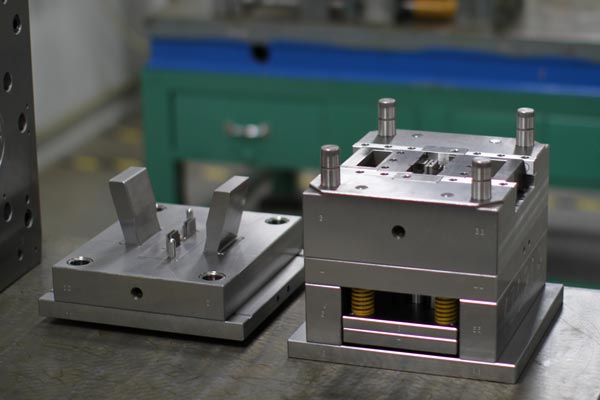
III. Steps for Troubleshooting of Tungsten Carbide Dies
(I) Fault Identification
- Observation of Fault Phenomena: When a die fails, operators should immediately conduct a comprehensive and detailed observation of the fault phenomena, such as whether the die has cracks, wear, or deformation, and record the characteristics and occurrence time of the fault phenomena in detail.
- Analysis of Fault Causes: Based on the observed fault phenomena, combined with the die’s usage, processing technology, and other factors, conduct an in-depth analysis of the possible fault causes, such as material problems, processing problems, or usage problems, providing a direction for subsequent fault diagnosis and troubleshooting.
(II) Fault Diagnosis
- Inspection of Equipment Faults: Conduct a comprehensive inspection of equipment such as machine tools and fixtures that are used in conjunction with the die to check for hydraulic system faults, electrical system faults, and other issues, ensuring the normal operation of the equipment and avoiding die problems caused by equipment failures.
- Examination of Die Design: Carefully analyze the die design to check whether the die’s structure, dimensions, and materials meet the design requirements and whether there are design defects that make the die prone to failures during processing.
- Review of Operation Process: Recall the die operation process and analyze whether the operators have followed the operation procedures strictly, whether the cutting parameters, cutting speeds, and feed rates are set reasonably, and whether there are operational errors that lead to die damage.
(III) Fault Elimination
- Replacement of Damaged Components: For damaged components that cannot be repaired, such as cutting inserts and guide posts, replace them promptly to ensure the normal operation of the die. When replacing components, select high-quality accessories with the same specifications and models as the original ones.
- Adjustment of Cutting Parameters: According to the actual situation of the die and the fault causes, reasonably adjust the cutting parameters, such as cutting speed, feed rate, and cutting depth, to optimize the processing process, reduce die wear, and lower the fault occurrence rate.
- Repair of Die Defects: Repair die defects such as cracks and wear using corresponding repair methods to restore the die’s performance and accuracy. After repair, the die should undergo strict testing and trial processing to ensure its quality meets the requirements.
(IV) Effect Verification
- Trial Processing Verification: After troubleshooting, conduct trial processing to closely observe the die’s operation and processing effects and check whether the processed products meet the quality requirements. If problems are found, adjust and repair the die in a timely manner.
- Data Analysis: Conduct a detailed analysis of the data during the trial processing, such as cutting forces, cutting temperatures, and processing accuracy. Evaluate the die’s performance and stability through data analysis to provide a basis for further optimizing the die design and processing technology.
(V) Preventive Measures
- Strengthening Equipment Maintenance: Establish a comprehensive equipment maintenance system and regularly inspect, maintain, and repair equipment such as machine tools and fixtures to ensure they are always in good working condition and reduce die problems caused by equipment failures.
- Improving Operation Skills: Strengthen the training and management of operators to improve their operation skills and safety awareness, enabling them to master the die operation procedures and processing technology proficiently, use and maintain the die correctly, and reduce die failures caused by operational errors.
- Optimizing Die Design: Continuously optimize the die design according to production requirements and the die’s actual situation, adopting advanced design concepts and methods to improve the die’s performance and stability and reduce the die’s fault occurrence rate.
IV. Kesimpulan
The maintenance and troubleshooting of tungsten carbide dies are systematic and complex tasks that are of great significance for ensuring the smooth progress of production and improving the economic benefits of enterprises. By implementing scientific and reasonable maintenance steps such as daily inspection, lubrication maintenance, cleaning maintenance, and periodic maintenance, as well as accurately identifying fault phenomena, conducting in-depth analysis of fault causes, taking effective fault elimination measures, and implementing verification and preventive measures, the service life of the die can be effectively extended, production efficiency and product quality can be improved, and the die can always be kept in good working condition, providing a strong guarantee for the stable development of enterprises.
Bisnis pabrik kami: suku cadang karbida, suku cadang cetakan, cetakan injeksi medis, cetakan injeksi presisi, cetakan injeksi PFA teflon, alat kelengkapan tabung PFA. email: [email protected],whatsapp:+8613302615729.
FAQ
Q: How often should daily inspections of tungsten carbide dies be conducted?
A: Generally, it is recommended to conduct a comprehensive inspection before daily operations. For dies with extremely high usage frequencies or operating in harsh environments, the inspection frequency can be increased appropriately to ensure the timely detection of potential problems.
Q: How to select suitable lubricants for tungsten carbide dies?
A: The selection should be based on the die’s working conditions, such as temperature, pressure, and friction speed, as well as the material and requirements of the lubricated parts. Generally, you can consult professional lubricant suppliers or refer to the recommendations of the die manufacturer.
Q: Can a die with repaired cracks achieve its original performance?
A: This depends on the severity of the cracks, the repair process, and the repair quality. If the cracks are minor and the repair is timely and the process is appropriate, after strict testing and trial processing, the die’s performance can approach or even reach the original level; however, the performance of a die with severe cracks may decrease after repair.
Q: How is the periodic maintenance cycle of tungsten carbide dies determined?
A: The periodic maintenance cycle should be determined comprehensively based on factors such as the die’s usage frequency, the processed materials, and the working environment. Generally, for dies that are used frequently, process hard materials, or operate in harsh environments, the maintenance cycle should be shortened appropriately.
Q: What are the requirements for the number of samples during trial processing after troubleshooting?
A: The number of trial processing samples should be sufficient to comprehensively and accurately evaluate the die’s performance and processing effects. The specific number can be determined according to factors such as the die’s complexity and processing accuracy requirements, generally not less than 5 – 10 pieces.
Posting Terkait
- Practical Strategies for Im enhancing the Cutting Efficiency of Tungsten Carbide Dies
- Prevention and Treatment Methods for Cracks in Tungsten Carbide Dies
- Standard Operating Procedures for Cleaning and Maintenance of Tungsten Carbide Dies
- Performance Analysis of Tungsten Carbide Die in High-Intensity Working Environments



 English
  Deutsch
  Français
  日本語
日本語  한국어
한국어  Español
  Português
  Italiano
  Nederlands
  Русский
  Bahasa Indonesia
  العربية