
How to Effectively Prevent the Sticking Phenomenon of Tungsten Carbide Dies
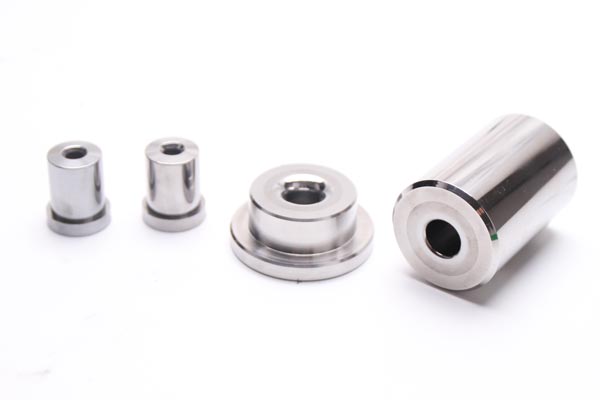
In the field of industrial production, tungsten carbide dies hold a pivotal position and serve as indispensable core elements in numerous production processes. However, the sticking phenomenon, which frequently occurs […]
In the field of industrial production, tungsten carbide dies hold a pivotal position and serve as indispensable core elements in numerous production processes. However, the sticking phenomenon, which frequently occurs during the use of tungsten carbide dies, is like a “time bomb.” It not only poses a severe threat to the service life of the dies but may also trigger a series of adverse consequences, such as a decline in product quality and an increase in production costs. To assist enterprises in effectively addressing this issue, this article will conduct an in-depth analysis of the causes of the sticking phenomenon and propose a series of scientific and systematic preventive measures to provide strong support for enterprises in maintaining and using tungsten carbide dies.
I. In-depth Analysis of the Causes of the Sticking Phenomenon
The sticking phenomenon is essentially the result of the friction and adhesion between the die surface and the processed material. During high-speed cutting or stamping and other high-intensity processing operations, the contact surface between the die and the material generates high temperatures due to intense friction, causing the material to soften and tightly adhere to the die surface. In addition, factors such as the surface roughness of the die, lubrication conditions, and the inherent properties of the material also affect the occurrence of the sticking phenomenon to varying degrees. Specifically, the following aspects are the main contributing factors to the sticking phenomenon:
当社の工場事業:超硬部品、金型部品、医療用射出成形金型、精密射出成形金型、テフロンPFA射出成形、PFAチューブ継手。電子メール:[email protected],whatsapp:+8613302615729。
(A) Excessive Surface Roughness of the Die
High surface roughness of the die means that there are numerous tiny protrusions and depressions on its surface. These irregular structures provide more “anchoring points” for material adhesion, making it easier for the material to stick to the die surface. Therefore, reducing the surface roughness of the die is one of the key steps in preventing the sticking phenomenon.
(B) Poor Lubrication Conditions
Good lubrication conditions can form an effective lubricating film between the die and the material, significantly reducing the friction between the two and thus lowering the risk of sticking. If the lubrication is insufficient or the lubricant used does not match the requirements, a stable lubricating film cannot be formed, resulting in direct contact between the die and the material, increased friction, and ultimately the sticking phenomenon.
(C) Influence of the Material’s Inherent Properties
Some materials have high adhesiveness. When in contact with the die surface, they are prone to chemical reactions or physical adsorption, forming a strong adhesive layer. Therefore, when selecting processing materials, it is essential to fully consider their adhesiveness and develop corresponding preventive strategies in advance.
(D) Unreasonable Setting of Cutting Parameters
The selection of cutting parameters such as cutting speed, feed rate, and cutting depth has a significant impact on the sticking phenomenon. Excessive cutting speed and feed rate will intensify the friction between the die and the material, generate a large amount of heat, and accelerate the softening and adhesion of the material. Unreasonable cutting depth may lead to uneven force on the die, increasing the risk of sticking.
II. Systematic Measures to Prevent the Sticking Phenomenon
In response to the above-mentioned causes of the sticking phenomenon, enterprises can take the following targeted measures to effectively prevent the occurrence of the sticking phenomenon in tungsten carbide dies:
(A) Optimize the Die Surface Treatment Process
Through fine processing methods such as polishing and grinding, reduce the surface roughness of the die to achieve a smooth and flat state. This can not only reduce the friction between the die and the material but also significantly improve the surface quality of the product. At the same time, establish a comprehensive die maintenance and upkeep system, regularly inspect, clean, and maintain the die to ensure that it is always in good working condition.
(B) Precisely Select Lubricants
Based on the specific processing materials and process requirements, carefully select suitable lubricants. The selected lubricants should have excellent lubrication performance and high-temperature resistance, enabling them to effectively reduce the friction coefficient between the die and the material under harsh working conditions such as high temperature and high pressure. During the use of lubricants, regularly check their quantity and quality to ensure that they always maintain good lubrication effects.
(C) Scientifically Select Processing Materials
When selecting processing materials, fully consider their adhesiveness and other properties. For materials with high adhesiveness, take special treatment measures such as adding anti-sticking agents or using coating technology to reduce the adhesive force between the material and the die surface. For example, adding an appropriate amount of anti-sticking agent to the material can form an isolation film on the material surface, reducing direct contact with the die; using coating technology can form a layer of coating with excellent properties on the die surface, improving the anti-sticking ability of the die.
(D) Reasonably Adjust Cutting Parameters
According to the specific processing requirements and material properties, scientifically and reasonably adjust cutting parameters such as cutting speed, feed rate, and cutting depth. Avoid blindly pursuing high efficiency by setting excessively high cutting parameters, which will intensify the friction between the die and the material. At the same time, closely monitor the temperature and pressure changes during the processing and adjust the parameters in a timely manner to ensure the stability of the processing and product quality.
(E) Actively Introduce Advanced Processing Technologies
With the continuous progress of science and technology, more and more advanced processing technologies have brought new development opportunities to the die manufacturing field. For example, coating technology can form a layer of coating with high hardness, high wear resistance, and good anti-sticking properties on the die surface, significantly improving the service life of the die; ultra-hard material manufacturing technology can produce dies with higher hardness and better wear resistance,从根本上 reducing the occurrence of the sticking phenomenon. Enterprises should actively pay attention to industry technology trends and timely introduce and apply these advanced technologies.
III. Strengthen Operational Specifications and Staff Training
In addition to the above technical measures, standardized operational procedures and professional staff training are also indispensable links in preventing the sticking phenomenon. Enterprises should formulate detailed and comprehensive operational procedures, clearly defining the specific requirements for the use, maintenance, and upkeep of the die in each link to ensure that operators have clear rules to follow. At the same time, regularly organize professional training and education for operators to enable them to have an in-depth understanding of the hazards, causes, and preventive measures of the sticking phenomenon, master the operation and maintenance skills of the die, and improve the overall operational level.
IV. Summary and Future Prospects
Preventing the sticking phenomenon of tungsten carbide dies is a systematic and complex task that requires enterprises to take comprehensive measures from multiple aspects such as technology, management, and personnel. By optimizing die surface treatment, precisely selecting lubricants, scientifically selecting materials, reasonably adjusting cutting parameters, and actively introducing advanced processing technologies, the probability of the sticking phenomenon can be effectively reduced. At the same time, strengthening operational specifications and staff training can further improve the use efficiency and management level of the die.
Looking ahead, with the continuous innovation of science and technology and the rapid development of industry, we firmly believe that more innovative technologies and methods will be applied to the field of preventing the sticking phenomenon of tungsten carbide dies. Enterprises should maintain keen market insight, closely monitor industry trends and technology development trends, and timely introduce and apply new technologies and processes to continuously improve the service life and product quality of the die and reduce production costs, thereby standing out in the fierce market competition.
関連記事
- Comprehensive Analysis of Prevention Strategies for Adhesion Phenomenon in Tungsten Carbide Dies
- How to Accurately Determine Whether a Tungsten Carbide Die Needs Replacement?
- In – depth Analysis of the Impact of Polishing Treatment on the Performance of Tungsten Carbide Dies
- Selection Basis of Tungsten Carbide Die Core Materials

 English
  Deutsch
  Français
  日本語
日本語  한국어
한국어  Español
  Português
  Italiano
  Nederlands
  Русский
  Bahasa Indonesia
  العربية