

Precision Restoration Techniques for Tungsten Carbide Dies: A Professional Guide
Tungsten carbide dies are indispensable in high-precision manufacturing due to their exceptional hardness, wear resistance, and thermal stability. Over time, however, operational stress induces surface wear, micro-cracks, and dimensional drift—compromising […]
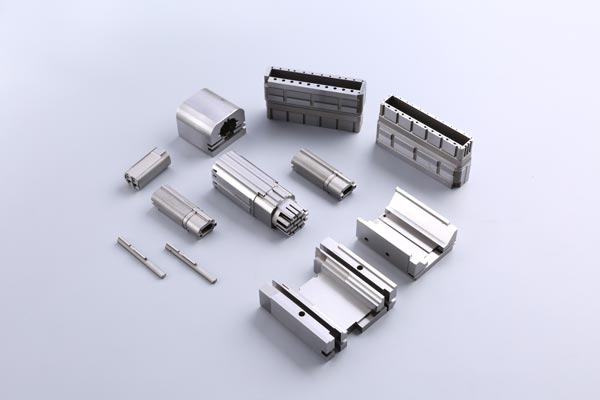
Tungsten carbide dies are indispensable in high-precision manufacturing due to their exceptional hardness, wear resistance, and thermal stability. Over time, however, operational stress induces surface wear, micro-cracks, and dimensional drift—compromising part quality and production continuity. Proactive restoration of tungsten carbide dies is not merely a maintenance activity but a strategic lever for sustaining operational excellence, reducing total cost of ownership, and ensuring compliance with stringent industry tolerances.
Restoration Methodologies
Four primary techniques are employed based on the nature and extent of damage: grinding, welding, thermal spraying, and electroplating. Each method is selected after rigorous assessment of defect type, location, and functional requirements. Grinding restores dimensional accuracy for uniform surface degradation; welding repairs structural fractures with metallurgically compatible fillers; thermal spraying rebuilds worn surfaces with ceramic or metallic coatings; and electroplating enhances surface hardness and corrosion resistance through controlled metal deposition.
当社の工場事業:超硬部品、金型部品、医療用射出成形金型、精密射出成形金型、テフロンPFA射出成形、PFAチューブ継手。電子メール:[email protected],whatsapp:+8613302615729。
Restoration Process Workflow
Damage Assessment
A comprehensive evaluation identifies defect morphology, depth, and impact on critical tolerances. Non-destructive testing (NDT) such as dye penetrant inspection and surface profilometry ensures accurate diagnosis prior to intervention.
Cleaning and Inspection
Dies are ultrasonically cleaned to remove oils, metal fines, and residual lubricants. Post-cleaning, dimensional verification and surface topography mapping are performed to establish baseline parameters for restoration targets.
Technique Selection and Execution
研磨: Utilize CNC surface grinders with diamond wheels under coolant flood to achieve ±0.002 mm tolerance. Surface flatness and parallelism are verified post-process.
Welding: Apply micro-TIG or laser welding using tungsten carbide-compatible filler rods. Preheat to 150–200°C to mitigate thermal shock; post-weld stress relief is mandatory.
Thermal Spraying: Use HVOF (High-Velocity Oxygen Fuel) to deposit WC-Co or Cr₃C₂-NiCr coatings. Coating adhesion strength must exceed 70 MPa per ASTM C633.
Electroplating: Employ hard chrome or nickel-tungsten plating after abrasive blasting to Ra ≤ 0.4 μm. Plating thickness is controlled to 5–25 μm to preserve geometry.
Testing and Validation
Post-restoration, dies undergo functional trial runs under production conditions. Dimensional accuracy, surface finish, and cycle-to-cycle consistency are measured against original specifications. Only dies passing 100% inspection are released for service.
Strategic Advantages of Die Restoration
- Extended Service Life: Properly restored dies can achieve 2–3x their original operational lifespan, deferring capital expenditure.
- Cost Efficiency: Restoration costs typically range from 15% to 30% of new die procurement, eliminating lead times of 6–12 weeks.
- Production Continuity: Minimizes downtime and avoids batch disruptions in high-volume manufacturing environments.
- Sustainability: Reduces raw material consumption and hazardous waste generation, aligning with ISO 14001 and corporate ESG goals.
FAQ
Q1: Can all types of damage to tungsten carbide dies be repaired?
A: Not all. Severe spalling, deep structural cracks exceeding 2 mm in depth, or multiple intersecting fractures may compromise structural integrity. In such cases, replacement is recommended over restoration.
Q2: How many times can a tungsten carbide die be restored before replacement is necessary?
A: Typically 3–5 restoration cycles are feasible, depending on base material quality and restoration technique. Each cycle reduces the die’s original mass; dimensional limits must be monitored to avoid tolerance drift.
Q3: Is restoration as reliable as manufacturing a new die?
A: When performed by certified technicians using calibrated equipment and validated procedures, restored dies meet or exceed OEM performance standards. Many global medical and automotive suppliers certify restored dies for critical applications.
Q4: What certifications should a tungsten carbide die restoration provider hold?
A: Look for ISO 9001:2015 quality management certification and ISO 14001 environmental compliance. For regulated industries, adherence to AS9100 (aerospace) or IATF 16949 (automotive) is critical.
Q5: Why is Dongguan a leading hub for tungsten carbide die restoration?
A: Dongguan hosts over 300 precision tooling service providers with access to advanced CNC grinding, laser welding, and HVOF thermal spray systems. Local expertise in high-volume manufacturing and proximity to global supply chains enable rapid turnaround and cost-competitive service delivery.
関連記事
- The Process and Advantages of Tungsten Carbide Die Customization Services
- Tungsten Carbide Dies in Electronics Manufacturing: Performance Advantages and Strategic Applications
- Tungsten Carbide Dies: The Critical Need for Regular Maintenance in High-Precision Manufacturing
- Manufacturing Process of Tungsten Carbide Dies

 English
  Deutsch
  Français
  日本語
日本語  한국어
한국어  Español
  Português
  Italiano
  Nederlands
  Русский
  Bahasa Indonesia
  العربية