
The Process and Advantages of Tungsten Carbide Die Customization Services
I. Introduction In the manufacturing industry, dies serve as critical tools in the production process, with their quality and precision directly impacting product quality and production efficiency. Tungsten carbide dies, […]
I. Einleitung
In the manufacturing industry, dies serve as critical tools in the production process, with their quality and precision directly impacting product quality and production efficiency. Tungsten carbide dies, renowned for their exceptional hardness, wear resistance, and thermal stability, occupy a vital position in the die manufacturing sector. This article provides a detailed overview of the process and advantages of tungsten carbide die customization services, offering valuable insights for manufacturing enterprises.
II. The Customization Process of Tungsten Carbide Dies
(A) Needs Analysis
Unser Fabrikgeschäft: Hartmetallteile, Formteile, medizinische Spritzgussformen, Präzisionsspritzgussformen, Teflon-PFA-Spritzguss, PFA-Rohrverschraubungen. E-Mail: [email protected],whatsapp:+8613302615729.
Prior to customizing a tungsten carbide die, a comprehensive needs analysis is essential. This involves understanding the client’s product requirements, production scale, and process flow to determine the die specifications, dimensions, and precision levels. Additionally, it is necessary to identify any special requirements regarding material grade, surface treatment, and service life, ensuring the customized die fully meets the client’s operational needs.
(B) Design and Drafting
Based on the needs analysis, the die design and drafting phase commences. This is a critical step in the customization process, as it determines the die’s structure, performance, and accuracy. During design, factors such as product geometry, material characteristics, and production equipment constraints must be thoroughly considered to ensure the design is both rational and feasible. Close communication and confirmation with the client are maintained throughout to guarantee the design aligns with their actual requirements.
(C) Material Selection and Procurement
Appropriate tungsten carbide materials are selected based on the design specifications. Material selection must carefully balance performance requirements—including hardness, wear resistance, corrosion resistance, and thermal stability—against cost considerations. During procurement, strict quality assurance measures are implemented to ensure material reliability and compliance with specified grades, thereby safeguarding the final die quality and performance.
(D) Die Manufacturing
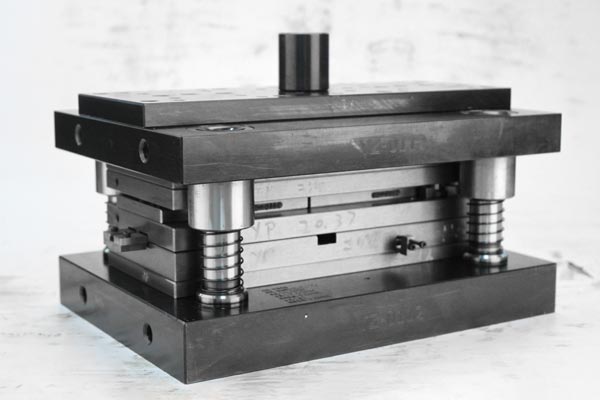
Die manufacturing represents the core phase of the customization service. All processing and assembly operations are executed in strict accordance with the design drawings. The manufacturing sequence typically includes rough machining, heat treatment, precision machining, and polishing. Rigorous quality control and inspection are applied at each stage to verify that precision and performance meet the required standards. Safety protocols and environmental regulations are also strictly observed throughout the manufacturing process.
(E) Trial Run and Adjustment
Upon completion of manufacturing, a trial run is conducted to validate the die’s performance and precision under actual production conditions. During the trial, close attention is paid to product dimensions, geometry, and surface quality to identify and resolve any issues promptly. If the trial results do not meet the specified requirements, necessary adjustments and refinements are made until the die performs satisfactorily and meets the client’s operational expectations.
(F) Delivery and After-Sales Service
Once the die passes the trial run, it is delivered to the client. The delivery process includes thorough communication and confirmation to ensure the die complies with all contractual terms. Comprehensive documentation, including a user manual, is provided, along with a robust after-sales service commitment to guarantee timely technical support and maintenance throughout the die’s service life.
III. Advantages of Tungsten Carbide Die Customization Services
(A) Fulfillment of Individual Requirements
Tungsten carbide die customization services enable personalized design and manufacturing tailored to each client’s specific needs. This capability not only enhances client satisfaction and loyalty but also strengthens the enterprise’s competitive position in the market.
(B) Enhanced Product Quality and Production Efficiency
Tungsten carbide dies offer superior precision, wear resistance, and thermal stability, which directly contribute to improved product quality and production efficiency. By utilizing tungsten carbide dies, manufacturers can reduce defect rates and scrap, while achieving higher dimensional accuracy and superior surface finish. Furthermore, the exceptional wear resistance and thermal stability of tungsten carbide extend die service life, thereby lowering both production and maintenance costs.
(C) Reduced Lead Times and Faster Delivery
Tungsten carbide die customization services are designed for rapid response and efficient manufacturing, significantly shortening lead times and delivery schedules. This agility allows enterprises to meet urgent client demands while improving overall production efficiency and market responsiveness.
(D) Comprehensive Technical Support and Service
Beyond die customization and manufacturing, service providers offer end-to-end technical support covering design, manufacturing, trial runs, adjustments, delivery, and after-sales maintenance. This comprehensive support framework ensures that clients receive timely assistance and service throughout the die’s lifecycle, further enhancing satisfaction and fostering long-term partnerships.
IV. Schlussfolgerung
In summary, tungsten carbide die customization services deliver significant advantages, including the ability to meet individual requirements, improve product quality and production efficiency, reduce lead times, and provide comprehensive technical support. For manufacturing enterprises, opting for tungsten carbide die customization is a strategic choice that addresses specific operational needs and enhances market competitiveness. As such, these services hold substantial application potential and market demand within the manufacturing industry.
Frequently Asked Questions
Q: What is the typical lead time for a customized tungsten carbide die?
A: Lead time varies depending on die complexity, size, and precision requirements. Generally, it ranges from 4 to 8 weeks, including design, material procurement, manufacturing, and trial runs. Rush orders may be accommodated with prior arrangement.
Q: How does the cost of a tungsten carbide die compare to a standard steel die?
A: Tungsten carbide dies typically have a higher initial cost due to material and processing expenses. However, their extended service life and superior performance often result in a lower total cost of ownership over time, especially for high-volume production runs.
Q: Can existing dies be reconditioned or upgraded to tungsten carbide?
A: In some cases, yes. A feasibility assessment is required to evaluate the existing die structure and determine if conversion is practical. This process may involve redesigning certain components and adjusting manufacturing parameters.
Q: What maintenance is required for tungsten carbide dies?
A: Regular cleaning and inspection are recommended to prevent buildup of residues and detect early signs of wear. Periodic re-polishing of the working surfaces may be necessary to maintain optimal performance. The manufacturer should provide detailed maintenance schedules.
Verwandte Beiträge
- Tungsten Carbide Dies in Electronics Manufacturing: Performance Advantages and Strategic Applications
- Tungsten Carbide Dies: The Critical Need for Regular Maintenance in High-Precision Manufacturing
- Manufacturing Process of Tungsten Carbide Dies
- Selecting Optimal Wear-Resistant Coatings for Tungsten Carbide Dies

 English
  Deutsch
  Français
  日本語
日本語  한국어
한국어  Español
  Português
  Italiano
  Nederlands
  Русский
  Bahasa Indonesia
  العربية