

Fundamental Principles of Tungsten Carbide Die Design
Tungsten carbide dies, renowned for their exceptional wear resistance, hardness, and thermal stability, have become indispensable high-performance tools in metalworking and forming industries. However, the design of a tungsten carbide […]
Tungsten carbide dies, renowned for their exceptional wear resistance, hardness, and thermal stability, have become indispensable high-performance tools in metalworking and forming industries. However, the design of a tungsten carbide die is far from a simple process of shaping material into the desired form. It demands strict adherence to a systematic set of principles to ensure die performance, service life, and production efficiency. This article provides a detailed exposition of the fundamental principles governing tungsten carbide die design across ten key dimensions.
1. Functional Principle — The Starting Point of Design
Functionality is the foremost principle in tungsten carbide die design. The die must precisely accomplish its intended machining task, which requires the designer to thoroughly evaluate the operating environment, workpiece material characteristics, and dimensional accuracy requirements at the outset. The structural layout must avoid stress concentration and deformation risks to ensure long-term stability and reliability.
La nostra attività in fabbrica: parti in metallo duro, parti di stampi, stampi a iniezione medicali, stampi a iniezione di precisione, stampaggio a iniezione di teflon PFA, raccordi per tubi PFA. e-mail: [email protected],whatsapp:+8613302615729.
2. Structural Principle — Simplicity Equals Efficiency
The die structure should be as simple and rational as possible, balancing manufacturability with ease of maintenance and part replacement. The design philosophy of “fewer but better” should be followed, eliminating unnecessary complex structures and redundant components to reduce machining difficulty and cost. At the same time, the structure must possess sufficient strength and stiffness to withstand various loads and deformations during operation.
3. Material Selection Principle — The Foundation of Performance
Material selection directly determines the performance ceiling and service life of the die. When selecting tungsten carbide grades, a comprehensive assessment of hardness, wear resistance, toughness, and thermal stability is essential, along with consideration of the workpiece material type and operating conditions. For instance, dies subjected to high temperature and high pressure should prioritize tungsten carbide grades with excellent thermal stability and thermal fatigue resistance.
4. Processability Principle — Manufacturability Determines Value
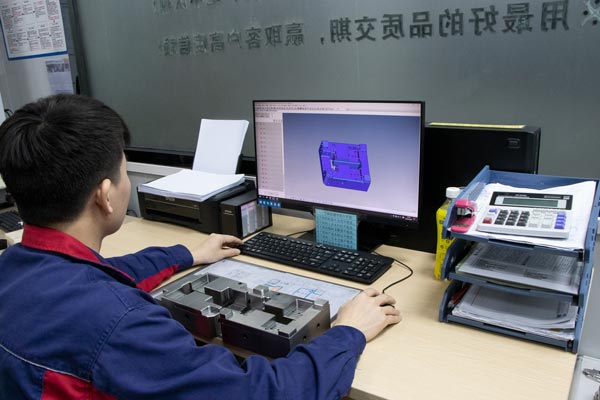
The design must be compatible with existing machining equipment and process capabilities, avoiding structures that are overly complex or impractical to produce. By optimizing structural layout and process flow, the number of machining steps and cycle time can be reduced, improving efficiency while controlling cost. Process feasibility is the critical prerequisite for any design to be realized.
5. Standardization and Modularity Principle — The Leverage of Efficiency
Adopting standardized components and modular design methods can significantly shorten the design cycle and improve design efficiency. Standardized parts and modular construction also facilitate maintenance and component replacement, reducing downtime and service cost. Designers should minimize repetitive design and manufacturing efforts wherever possible.
6. Safety Principle — The Non-Negotiable Baseline
The die must ensure the safety of operators and equipment throughout its entire service life. The design phase should incorporate necessary safety devices and optimize the structure to eliminate potential hazards. Manufacturing and operation must strictly comply with safety regulations and operating procedures to prevent accidents.
7. Economic Principle — The Balance Between Cost and Value
Under the premise of satisfying the functional, structural, material, processability, standardization, modularity, and safety principles, every effort should be made to minimize design, manufacturing, and operational costs. This includes optimizing die structure to reduce material consumption and machining time, selecting cost-effective materials and components, and improving die life and reliability. The economic principle ultimately reduces production costs and enhances overall enterprise profitability.
8. Innovation Principle — The Driving Force of Progress
As manufacturing technology advances and demands for die performance and precision intensify, the design process must continuously integrate new technologies, new materials, and new processes. Designers should also monitor market demands and industry trends to develop innovative die solutions that meet the evolving needs of diverse sectors.
9. Environmental Principle — The Imperative of Green Manufacturing
Environmental considerations must be fully integrated into tungsten carbide die design. This includes selecting eco-friendly materials and optimizing machining processes to minimize waste and pollutant generation. Manufacturing and operation must strictly adhere to environmental regulations and emission standards to prevent pollution and ecological damage.
10. Sustainability Principle — A Long-Term Perspective
Sustainability requires that the design account for the full lifecycle of the die, including extending service life, optimizing maintenance and replacement strategies, and promoting reuse and recycling. By embracing sustainable design, enterprises can reduce both manufacturing and operational costs while minimizing resource waste and environmental impact, supporting long-term sustainable development.
Core Summary
Tungsten carbide die design must seek optimal balance across ten fundamental principles: functionality, structural integrity, material selection, processability, standardization and modularity, safety, economics, innovation, environmental responsibility, and sustainability. These principles are mutually reinforcing and collectively form the complete framework for high-quality die design. As technology evolves and market demands shift, tungsten carbide die design philosophy will continue to advance.

 English
  Deutsch
  Français
  日本語
日本語  한국어
한국어  Español
  Português
  Italiano
  Nederlands
  Русский
  Bahasa Indonesia
  العربية