

Optimization Strategies for Cutting Parameters of Tungsten Carbide Die
In the field of mechanical processing, tungsten carbide die stands out as a core tool in numerous processing scenarios due to its extraordinary hardness and exceptional wear resistance. To gain […]
In the field of mechanical processing, tungsten carbide die stands out as a core tool in numerous processing scenarios due to its extraordinary hardness and exceptional wear resistance. To gain a competitive edge in the fierce market, improving production efficiency and ensuring processing quality have made optimizing the cutting parameters of tungsten carbide die a crucial task during the die usage process. This article will conduct a systematic and in-depth analysis of how to optimize the cutting parameters of tungsten carbide die, helping enterprises achieve the goals of enhancing processing efficiency, reducing production costs, and extending die service life.
In-depth Analysis of the Characteristics of Tungsten Carbide Die
Before embarking on the optimization of cutting parameters, a comprehensive and in-depth understanding of the basic characteristics of tungsten carbide die is the foundation and prerequisite. Tungsten carbide, also known as cemented carbide, is an alloy material formed by integrating hard compounds of refractory metals with binding metals through powder metallurgy processes. It combines a multitude of excellent properties, including high hardness, good wear resistance, relatively high strength and toughness, outstanding heat resistance, and corrosion resistance. Notably, its high hardness and wear resistance remain stable even under high-temperature conditions, which makes tungsten carbide occupy a pivotal position in the field of tool materials.
Our factory business: carbide parts, mold parts, medical injection molds, precision injection molds, teflon PFA injection molding, PFA tube fittings. email: [email protected],whatsapp:+8613302615729.
Analysis of Key Elements of Cutting Parameters
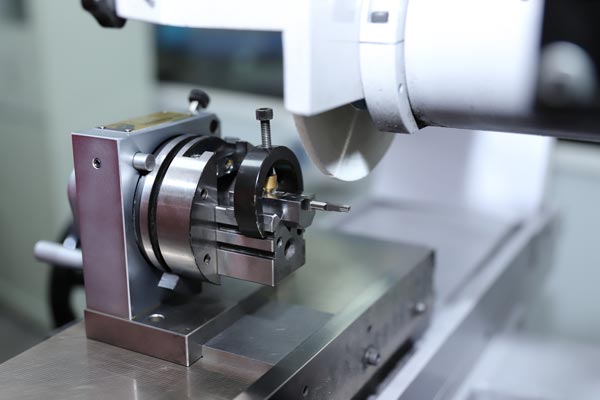
Cutting parameters encompass several aspects, such as cutting speed, feed rate, cutting depth, and the geometric angles of the tool. These elements are interrelated and jointly determine processing efficiency, processing quality, and the service life of the tool.
Cutting Speed
Cutting speed refers to the moving rate of the tool relative to the workpiece. Moderately increasing the cutting speed can effectively shorten the processing time and improve production efficiency. However, speed is not the higher the better. Excessive cutting speed will accelerate tool wear and may even cause tool breakage, resulting in significant losses during the processing.
Feed Rate
The feed rate is the amount by which the workpiece moves relative to the tool per revolution of the tool or per reciprocating motion. Its magnitude directly affects the generation of cutting force and cutting heat, thereby influencing the surface roughness of the processed part and the durability of the tool. An excessively large feed rate will lead to a sharp increase in cutting force and cutting heat, potentially degrading the surface quality of the processed part and accelerating tool wear. Conversely, an excessively small feed rate will reduce processing efficiency.
Cutting Depth
Cutting depth is the depth to which the tool cuts into the workpiece. A larger cutting depth results in greater cutting force, placing higher demands on the strength and rigidity of the tool. If the cutting depth is improperly selected and exceeds the tool’s load-bearing capacity, it can easily cause tool damage and disrupt the smooth progress of processing.
Geometric Angles of the Tool
The rake angle, relief angle, principal cutting edge angle, and inclination angle of the tool play crucial roles during the cutting process. They have a significant impact on the distribution of cutting force and cutting heat, as well as the durability of the tool. Selecting appropriate geometric angles for the tool can effectively improve cutting conditions and enhance processing quality and efficiency.
Standardized Process for Optimizing Cutting Parameters
Analysis of Workpiece Material and Processing Requirements
Different workpiece materials possess unique physical and mechanical properties, which impose varying requirements on cutting parameters. Meanwhile, processing requirements such as precision and surface roughness also influence the selection of cutting parameters. Therefore, before optimizing cutting parameters, it is essential to conduct a comprehensive and detailed analysis of the workpiece material and processing requirements to provide an accurate basis for subsequent parameter selection.
Selection of Tool Material and Geometric Angles
Based on the workpiece material and processing requirements, carefully select a tungsten carbide tool with appropriate hardness and wear resistance and determine reasonable geometric angles for the tool. Suitable tool materials and geometric angles can ensure the stable progress of the cutting process, reduce tool wear, and improve processing quality.
Preliminary Determination of Cutting Parameters
Using empirical formulas or cutting data handbooks, combined with factors such as workpiece material, tool characteristics, and processing requirements, preliminarily determine parameters such as cutting speed, feed rate, and cutting depth. This step provides a basic parameter framework for subsequent cutting tests.
Conducting Cutting Tests
Carry out cutting tests in an actual processing environment. Closely observe various phenomena during the cutting process, such as the magnitude of cutting force, the distribution of cutting heat, and tool wear conditions, and meticulously record processing results, including processing time and processing quality. Through cutting tests, we can directly understand the performance of the preliminarily determined cutting parameters in actual processing and provide practical basis for parameter adjustment.
Adjustment and Optimization of Cutting Parameters
Based on the results of cutting tests, make targeted adjustments and optimizations to the preliminarily determined cutting parameters. If the tool wears too quickly, appropriately reduce the cutting speed or feed rate. If the processing efficiency is too low, try to increase the cutting speed or feed rate within the tool’s load-bearing capacity. Through repeated adjustments and tests, gradually find the optimal combination of cutting parameters.
Verification of Optimization Effects
After adjusting and optimizing the cutting parameters, conduct cutting tests again to comprehensively verify the optimization effects. If processing efficiency is significantly improved, processing quality is effectively guaranteed, and the service life of the tool is extended, it indicates that the optimization is successful. If the expected results are not achieved, further analyze the reasons and readjust the cutting parameters.
Precautions during the Optimization Process
Safety First
When conducting cutting tests and adjusting cutting parameters, strictly adhere to safety operation specifications and wear appropriate personal protective equipment to ensure the personal safety of operators. Safety is the premise of production and should never be overlooked at any time.
Gradual Adjustment
When adjusting cutting parameters, follow the principle of gradual progress and avoid making large adjustments at once. Excessive adjustments may lead to unstable cutting processes and trigger unpredictable problems, affecting processing quality and efficiency.
Data Recording and Analysis
During cutting tests, record various data in detail and accurately, including cutting parameters, cutting force, cutting heat, tool wear conditions, processing time, and processing quality. Through in-depth analysis of these data, we can identify key factors affecting processing effects and provide strong support for optimizing cutting parameters.
Consideration of Machine Tool Performance
When selecting and optimizing cutting parameters, fully consider the performance limitations of the machine tool, such as the spindle speed range, feed rate range, and maximum cutting depth. Ensure that the selected cutting parameters are within the performance capabilities of the machine tool to avoid equipment damage or processing accidents caused by parameters exceeding the machine tool’s capacity.
Conclusion
Optimizing the cutting parameters of tungsten carbide die is a complex and meticulous task that requires comprehensive consideration of multiple factors, including workpiece material, processing requirements, tool characteristics, and machine tool performance. By following a standardized optimization process, gradually adjusting and optimizing cutting parameters, and paying attention to relevant precautions, enterprises can achieve improvements in processing efficiency, reductions in production costs, and extensions of tool service life. Meanwhile, with the continuous progress of science and technology and the continuous innovation of processing techniques, we should maintain a passion for learning and actively explore new cutting techniques and methods to better adapt to changing market demands and processing environments and stand invincible in the fierce market competition.
Related Posts
- Cleaning and Maintenance of Tungsten Carbide Dies: Professional Methods for Efficient Production
- Analysis of Key Points in Cooling Channel Design for Tungsten Carbide Dies
- Usage Considerations of Tungsten Carbide Die in High-Intensity Working Environments
- Analysis of Strategies for Improving the Processing Efficiency of Tungsten Carbide Dies




 English
  Deutsch
  Français
  日本語
日本語  한국어
한국어  Español
  Português
  Italiano
  Nederlands
  Русский
  Bahasa Indonesia
  العربية