

What Are the Measures to Prevent Corrosion of Tungsten Carbide Dies?
Tungsten carbide dies play a pivotal role in various industrial production processes due to their high hardness, excellent wear resistance, and high strength. However, corrosion has emerged as a significant […]
Tungsten carbide dies play a pivotal role in various industrial production processes due to their high hardness, excellent wear resistance, and high strength. However, corrosion has emerged as a significant challenge during their usage. Corrosion not only substantially reduces the service life of the dies but also potentially affects product quality and production efficiency. Therefore, exploring effective anti-corrosion measures is of paramount importance for protecting tungsten carbide dies and ensuring their long-term stable operation.
Tracing Back to the Root: Exploring the Causes of Corrosion in Tungsten Carbide Dies
Before delving into anti-corrosion measures, it is crucial to accurately understand the root causes of corrosion in tungsten carbide dies. Corrosion of these dies is often the result of the combined action of multiple factors. A humid environment stands out as a primary culprit. The moisture on the die surface reacts chemically with oxygen in the air and certain elements within the die material, triggering corrosion. Chemical erosion is also a formidable threat. When corrosive chemicals come into contact with the dies, they can cause damage. Improper storage conditions, such as long-term exposure to high-temperature, high-humidity, and poorly ventilated environments, accelerate the corrosion process. Moreover, a lack of necessary maintenance and upkeep, leading to the accumulation of dirt on the die surface and damage to protective layers, also creates opportunities for corrosion.
Our factory business: carbide parts, mold parts, medical injection molds, precision injection molds, teflon PFA injection molding, PFA tube fittings. email: [email protected],whatsapp:+8613302615729.
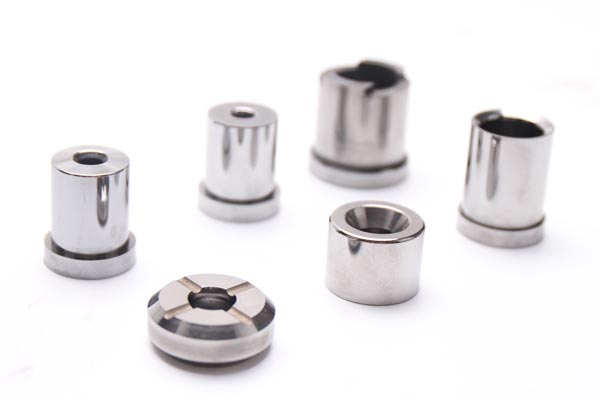
Taking a Multi-pronged Approach: Building a Robust Defense Against Corrosion of Tungsten Carbide Dies
In response to the aforementioned causes of corrosion, we can adopt a series of effective measures to comprehensively prevent corrosion from occurring.
Creating a Dry Environment
A humid environment is a major cause of corrosion for tungsten carbide dies. Therefore, the warehouse or workshop where the dies are stored should maintain a dry and well-ventilated state. Installing dehumidifiers, air conditioners, and other equipment can precisely control the environmental humidity, ensuring that the dies are always in a suitable environment and minimizing the risk of corrosion from the source.
Implementing Surface Anti-rust Treatments
Surface treatment of tungsten carbide dies is a key step in preventing corrosion. Anti-rust coating technologies such as electroplating and spraying can form a sturdy protective film on the die surface, isolating air and moisture and effectively slowing down the corrosion rate. Additionally, applying anti-rust oils or agents to form a dense oil film can further enhance the anti-rust effect, providing dual protection for the dies.
Selecting Materials Scientifically
The choice of materials is of critical importance in the manufacturing of tungsten carbide dies. Although tungsten carbide itself possesses relatively high corrosion resistance, different grades of tungsten carbide exhibit variations in this property. Therefore, it is essential to carefully select tungsten carbide materials with superior corrosion resistance based on the specific usage environment and operating conditions, laying a solid foundation for die corrosion prevention.
Optimizing Heat Treatment Processes
Heat treatment processes have a profound impact on the corrosion resistance of tungsten carbide dies. Rational heat treatment processes can improve the internal microstructure of the dies and enhance their corrosion resistance. For example, adopting appropriate quenching and tempering processes can effectively reduce the residual stress inside the dies and lower their corrosion tendency, making the dies more robust and durable.
Strengthening Regular Maintenance and Upkeep
Regular maintenance and upkeep of tungsten carbide dies are the core aspects of extending their service life. It is necessary to regularly inspect the surface condition of the dies, promptly detect and address potential corrosion issues. At the same time, regular cleaning and lubrication of the dies should be carried out to keep their surfaces clean and smooth, reducing the likelihood of corrosion and ensuring that the dies are always in optimal operating condition.
Applying Advanced Coating Technologies
PVD (Physical Vapor Deposition) coating technology, as an advanced surface treatment technology, can significantly improve the wear resistance and corrosion resistance of tungsten carbide dies. Through PVD coating treatment, a hard and dense coating can be formed on the die surface, effectively isolating corrosive media in the external environment and providing comprehensive protection for the dies.
Looking Ahead: Continuously Exploring New Paths for Corrosion Prevention
Preventing corrosion of tungsten carbide dies is a core task to ensure their long-term stable operation. By creating a dry environment, implementing surface anti-rust treatments, selecting materials scientifically, optimizing heat treatment processes, strengthening regular maintenance and upkeep, and applying advanced coating technologies, we can effectively enhance the corrosion resistance of tungsten carbide dies and extend their service life.
With the rapid advancement of technology and the vigorous development of industrial production, our requirements for the performance of tungsten carbide dies are becoming increasingly stringent. In the future, we need to continuously explore and research new anti-corrosion technologies and materials to meet the ever-changing needs of industrial production. At the same time, strengthening the monitoring and maintenance work during die usage is crucial. By keeping abreast of the operating status of the dies in real-time, we can promptly detect and address potential corrosion issues, ensuring the stable operation of the dies and the normal production of enterprises.
In addition, improving the professional skills and corrosion awareness of operators is also a key link in preventing corrosion of tungsten carbide dies. Enterprises should regularly organize training activities to deepen employees’ understanding and mastery of die corrosion prevention knowledge, ensuring that they can operate and maintain the dies correctly in their daily work and reduce corrosion issues caused by human factors.
In conclusion, preventing corrosion of tungsten carbide dies requires us to take comprehensive measures from multiple dimensions. By continuously improving and perfecting anti-corrosion technologies and management methods, we can build a solid barrier for the stable production and sustainable development of enterprises.
Related Posts
- A Comprehensive Analysis of Optimization Strategies for Tungsten Carbide Die Processing Flow
- A Comprehensive Analysis of Precision Detection Methods for Tungsten Carbide Dies
- How to Prevent Vibration Problems of Tungsten Carbide Dies During Processing
- Customizing Tungsten Carbide Dies: A Comprehensive Guide to Key Points




 English
  Deutsch
  Français
  日本語
日本語  한국어
한국어  Español
  Português
  Italiano
  Nederlands
  Русский
  Bahasa Indonesia
  العربية