

Safety Specifications and Operation Guidelines for the Use of Tungsten Carbide Dies
I. Introduction In the context of the vigorous development of modern manufacturing, tungsten carbide dies have become indispensable key tools in numerous production processes due to their outstanding performance. Their […]
I. Introduction
In the context of the vigorous development of modern manufacturing, tungsten carbide dies have become indispensable key tools in numerous production processes due to their outstanding performance. Their applications are extensive, covering a wide range of fields such as automobile manufacturing, electronic equipment production, and aerospace. However, the safety and operational standardization during the use of tungsten carbide dies are not only directly related to the level of production efficiency but also closely linked to the personal safety of operators. Once a safety accident occurs, it will not only result in equipment damage and production halts but may also cause serious injuries to operators, leading to significant economic losses and adverse social impacts for the enterprise.
To ensure the safe, stable, and efficient operation of tungsten carbide dies, minimize accident risks, and enhance production efficiency, this article will comprehensively and in-depth elaborate on the precautions and operation methods during the use of tungsten carbide dies from multiple dimensions, including safety specifications, operation guidelines, and maintenance. It aims to provide professional and practical guidance for relevant practitioners.
Our factory business: carbide parts, mold parts, medical injection molds, precision injection molds, teflon PFA injection molding, PFA tube fittings. email: [email protected],whatsapp:+8613302615729.
II. Safety Specifications for the Use of Tungsten Carbide Dies
(1) Personnel Safety Training
Before operating tungsten carbide dies, operators must undergo systematic and comprehensive safety training. The training content should cover the basic properties of tungsten carbide dies, such as hardness, wear resistance, and high-temperature resistance. It should also provide a detailed explanation of safety operation procedures, including the key operation points during equipment startup, operation, and shutdown. Additionally, it should impart emergency handling methods, such as the correct measures to take in case of equipment failures, fires, personnel injuries, and other unexpected situations. Through rigorous training, ensure that operators have a strong sense of safety and proficient operation skills, thereby preventing safety accidents caused by human factors from the source.
(2) Equipment Safety Inspection
Before each use of tungsten carbide dies, a meticulous safety inspection of the relevant equipment should be carried out. The inspection scope includes various components such as machine tools, fixtures, and cutting tools. Check for any damage, such as wear, looseness, or cracks, to ensure that all components are intact and meet safety usage standards. At the same time, carefully inspect whether the power supply, gas source, and lubrication system are functioning normally. Check for issues like aging or electrical leakage in the power lines, stable gas source pressure, and normal oil supply in the lubrication system. Only by ensuring that the equipment operates in good condition can safety accidents caused by equipment failures be effectively prevented.
(3) Wearing Protective Equipment
When using tungsten carbide dies, operators must strictly wear complete protective equipment as required. Safety helmets can effectively protect the head from accidental impacts; protective goggles can prevent chips and splashes from entering the eyes and causing eye injuries; protective gloves can reduce direct contact between the hands and the die and cutting tools, lowering the risks of cuts and burns; work clothes can provide comprehensive protection for the body. Wearing standard-compliant protective equipment is an important line of defense for safeguarding the personal safety of operators.
(4) Complying with Operation Procedures
Operators must strictly follow the operation procedures for tungsten carbide dies and carry out processing operations in accordance with the specified technological processes. Prohibited behaviors such as overloading, overspeeding, and overheating are strictly forbidden. These违规 (non-compliant) operations may lead to equipment damage, die rupture, and even serious safety accidents like fires and explosions. For example, overloaded operation may subject the machine tool to excessive pressure, causing component breakage; overspeed processing may increase the cutting force, affecting processing quality and increasing the risk of equipment failures; overheating operation may change the properties of the die, reducing its service life and even triggering safety accidents.
(5) Fire and Explosion Prevention Measures
During the processing of tungsten carbide dies, due to factors such as cutting friction, high temperatures and sparks may be generated. Once these factors encounter flammable and explosive substances, they may trigger fire or explosion accidents. Therefore, when using tungsten carbide dies, effective fire and explosion prevention measures must be taken. Set up fire isolation belts at the production site to separate the processing area from other flammable areas. Equip with a sufficient quantity and type of fire extinguishers and ensure that operators are familiar with their usage methods. Regularly inspect the integrity of fire-fighting facilities to ensure their normal use in emergencies.
III. Operation Guidelines for Tungsten Carbide Dies
(1) Installation and Debugging
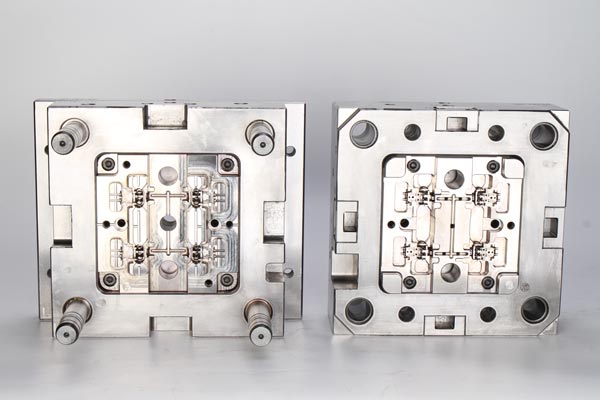
When installing tungsten carbide dies, ensure good compatibility between the die and the machine tool. Operate strictly in accordance with the specified installation steps. First, clean and inspect the installation parts of the die and the machine tool to ensure there are no impurities or damage. Then, use appropriate tools to accurately install the die on the machine tool and tighten the fixing bolts. After installation, conduct comprehensive debugging work to check the accuracy, stability, and reliability of the die. Verify whether the die can operate normally through trial processing. If any abnormalities are found, make timely adjustments and repairs.
(2) Setting Cutting Parameters
The setting of cutting parameters is a key factor affecting the processing quality and efficiency of tungsten carbide dies. When setting cutting parameters, multiple factors need to be comprehensively considered. Select appropriate cutting speed, feed rate, and cutting depth based on the material properties of the die, such as hardness and toughness. Consider the structural complexity of the die. For dies with complex structures, it may be necessary to reduce the cutting parameters to ensure processing accuracy. Combine the accuracy requirements. High-precision processing requires more refined cutting parameter settings. At the same time, refer to the performance parameters of the machine tool to ensure that the cutting parameters are within the load-bearing range of the machine tool. By reasonably setting cutting parameters, ensure the stability of the cutting process and processing quality.
(3) Monitoring the Processing Process
During the processing, operators should closely monitor various changes in the cutting process. Observe the magnitude of the cutting force in real-time. Excessive cutting force may cause die damage or a decline in processing quality. Pay attention to changes in the cutting temperature. Excessively high cutting temperatures can affect the performance and service life of the die. Be alert to whether the equipment generates vibrations. Abnormal vibrations may be signals of equipment failures or loose die installation. Once any abnormalities are detected, stop the machine immediately for inspection, identify the cause of the fault, and eliminate it in a timely manner. Resume processing only after the equipment returns to normal. At the same time, regularly conduct accuracy inspections on the die using professional inspection tools and methods to ensure that the processing accuracy and stability of the die always meet the requirements.
(4) Tool Selection and Replacement
The selection and replacement of tools have a significant impact on the processing quality and efficiency of tungsten carbide dies. When selecting tools, comprehensively consider factors such as the material, structure, and processing requirements of the die. For die materials with high hardness, choose tools with good wear resistance. For dies with complex structures, special-shaped tools may be required. Select different types and specifications of tools according to processing requirements, such as rough and finish machining. During use, regularly inspect the wear condition of the tools. Judge whether the tools need to be replaced by observing whether the cutting edges of the tools become blunt or have cracks. Once severe tool wear or damage is detected, stop using them immediately and replace them with new tools to ensure processing quality and efficiency.
(5) Cleaning and Maintenance
After processing is completed, thorough cleaning and maintenance of tungsten carbide dies are important links to extend the service life of the die and ensure processing quality. When cleaning, use special cleaning agents and tools to carefully remove oil stains, chips, and other impurities from the surface of the die to ensure a clean and tidy die surface. During maintenance, select appropriate lubricating oil or grease according to the material and usage of the die and lubricate the moving parts of the die to reduce wear and friction. At the same time, carry out anti-rust treatment on the die by applying anti-rust oil or using anti-rust agents to prevent the die from rusting. Store the cleaned and maintained die in a suitable environment to ensure that the die is in good condition and ready for the next use.
IV. Maintenance of Tungsten Carbide Dies
(1) Regular Lubrication
During the use of tungsten carbide dies, friction and wear will occur between the moving parts. Regular lubrication can effectively reduce this wear and extend the service life of the die. Select lubricating oil or grease suitable for tungsten carbide dies and determine a reasonable lubrication cycle and method according to the usage frequency and working conditions of the die. Lubricate the moving parts of the die at the specified time and in the specified manner to ensure sufficient and uniform lubrication, reduce friction and heat generation between parts, and ensure the normal operation of the die.
(2) Regular Inspection
Establish a regular inspection system to conduct comprehensive and detailed inspections of tungsten carbide dies. The inspection content includes the accuracy of the die. Use professional inspection equipment to measure whether the dimensional and shape accuracy of the die meet the requirements. Inspect the structure of the die to check for looseness, deformation, cracks, etc. Inspect the surface quality of the die to observe for wear, corrosion, and other phenomena. Once problems are found, analyze and handle them in a timely manner. Small problems can be repaired promptly to prevent them from affecting production. For dies that are severely damaged and cannot be repaired, replace them in a timely manner.
(3) Proper Storage
The storage environment of tungsten carbide dies has a significant impact on their performance and service life. Choose a dry, well-ventilated, and dust-free environment to store the dies to prevent them from getting damp and rusting. A damp environment can easily cause rust on the die surface, affecting the accuracy and surface quality of the die. A well-ventilated environment can prevent the accumulation of moisture and harmful gases around the die. A dust-free environment can reduce dust pollution to the die and lower the difficulty of cleaning. At the same time, ensure that the dies are not damaged by extrusion or collision during storage. Use special die racks or packaging materials to protect the dies.
(4) Record-keeping and File Management
Establish a perfect file management system for tungsten carbide dies and record and save detailed information about the purchase, use, maintenance, and replacement of the dies. Record information such as the purchase time, supplier, and price of the dies, which helps to understand the cost and usage background of the dies. Record information such as the number of uses, the types of processed products, and processing parameters of the dies to grasp the usage and workload of the dies. Record information such as the maintenance time, maintenance content, and replaced parts of the dies to provide a basis for die maintenance and fault analysis. Through a perfect file management system, better manage the dies, reasonably arrange their use and maintenance, and improve the usage efficiency and service life of the dies.
V. Conclusion
The safety specifications and operation guidelines for the use of tungsten carbide dies are the cornerstones for ensuring production safety and improving production efficiency. In actual production, strictly adhering to safety specifications is the first line of defense for preventing accidents. It can effectively reduce the risk of safety accidents and protect the personal safety of operators. Mastering correct operation methods can ensure the processing quality and efficiency of the dies and improve production benefits. Effective maintenance can extend the service life of the dies and reduce the production costs of the enterprise.
Therefore, enterprises should attach great importance to the safe use and operation specifications of tungsten carbide dies, strengthen the training and management of operators, and establish and improve relevant management systems and supervision mechanisms. Operators should continuously enhance their safety awareness and sense of responsibility and operate and maintain the dies strictly in accordance with specifications and guidelines. Only in this way can ensure the safe, stable, and efficient operation of tungsten carbide dies during production and provide strong guarantees for the sustainable development of the enterprise.
FAQ
Q: What are the main contents of the safety training before using tungsten carbide dies?
A: It mainly includes the basic properties of tungsten carbide dies, such as hardness and wear resistance; safety operation procedures covering the key points of equipment startup, operation, and shutdown; and emergency handling methods, such as response measures for equipment failures, fires, and personnel injuries.
Q: How can I judge whether the cutting parameter settings for tungsten carbide dies are reasonable?
A: It can be judged from the processing quality, efficiency, and equipment status. If the surface quality of the processed product is good, the dimensional accuracy is high, the processing efficiency meets production requirements, and the equipment operates smoothly without abnormal vibrations or overheating, it generally indicates that the cutting parameter settings are reasonable.
Q: What are the requirements for the environmental humidity when storing tungsten carbide dies?
A: They should be stored in a dry environment. The relative humidity is best controlled within a certain range, generally not exceeding 60%, to prevent the dies from getting damp and rusting and affecting their accuracy and surface quality.
Q: How often is it appropriate to conduct a comprehensive inspection of tungsten carbide dies?
A: It depends on the usage frequency and work intensity of the dies. For dies that are used frequently and have high work intensity, it is recommended to conduct a comprehensive inspection once a week. For dies with low usage frequency and low work intensity, a comprehensive inspection can be carried out once a month.
Q: How to choose lubricating oil or grease for tungsten carbide dies?
A: It should be selected according to factors such as the material of the die, the characteristics of the moving parts, and the working environment. For example, for high-speed moving parts, lubricating oil with low viscosity and good fluidity can be selected. For dies working in high-temperature environments, grease with good high-temperature resistance should be chosen.




 English
  Deutsch
  Français
  日本語
日本語  한국어
한국어  Español
  Português
  Italiano
  Nederlands
  Русский
  Bahasa Indonesia
  العربية