

Tungsten Carbide Properties Explained
Understanding material properties allows engineering teams to select the exact carbide grades needed for high-wear tooling and structural components. Partnering with an experienced tungsten carbide supplier ensures these technical characteristics […]
Understanding material properties allows engineering teams to select the exact carbide grades needed for high-wear tooling and structural components. Partnering with an experienced tungsten carbide supplier ensures these technical characteristics translate directly into extended tool life, tighter tolerances, and reduced operational downtime.
Core Physical and Mechanical Properties
Exceptional Hardness and Wear Resistance Tungsten carbide delivers hardness levels ranging from 85 to 95 HRA (Rockwell A), ranking second only to diamond. This extreme hardness enables components to resist surface abrasion and severe wear in high-friction manufacturing environments.
Our factory business: carbide parts, mold parts, medical injection molds, precision injection molds, teflon PFA injection molding, PFA tube fittings. email: [email protected],whatsapp:+8613302615729.
High Compressive Strength Capable of enduring compressive stress up to 6,000 MPa, the material maintains dimensional stability under heavy loads. This makes it a primary choice for cold-heading dies, stamping tools, and high-pressure anvils.
Superior Elastic Modulus With a Young’s modulus nearly double that of high-strength steel, tungsten carbide exhibits extreme stiffness. It resists deflection and bending under mechanical load, maintaining precise alignment during critical machining operations.
Thermal and Corrosion Stability Specific binder formulations allow carbide components to retain mechanical integrity at elevated operating temperatures. Corrosion-resistant grades utilizing nickel or alternative binders withstand exposure to acidic fluids, chemicals, and wet processing conditions.
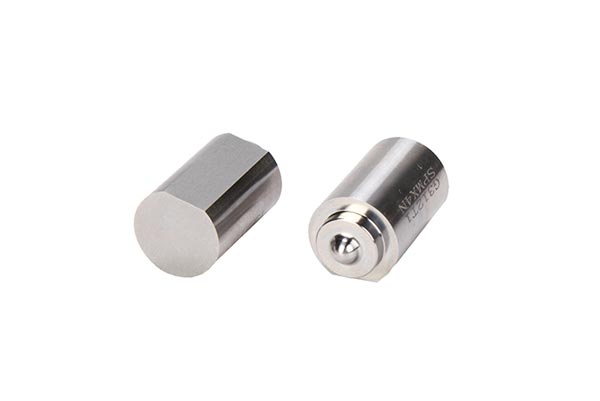
Grade Selection and Binder Ratios
The performance of tungsten carbide relies heavily on the balance between tungsten carbide (WC) grains and the cobalt (Co) binder matrix.
- Low Cobalt Content (3% – 6%): Yields maximum hardness and abrasion resistance. Ideal for nozzles, wire drawing dies, and components subjected to constant friction with minimal impact.
- Higher Cobalt Content (10% – 15%+): Enhances fracture toughness and shock absorption. Recommended for punching tools, cold forging dies, and structural parts exposed to cyclic impact.
- Grain Size Tailoring: Grain size directly affects performance. Sub-micron grains increase hardness and edge sharpness, while coarse grains improve resistance to thermal fatigue and shock. A reliable tungsten carbide supplier customizes these variables based on the specific mechanical demands of the application.
Why Partnering with a Qualified Tungsten Carbide Supplier Matters
Raw material potential requires precise powder preparation, compaction, sintering, and finishing to achieve optimal performance. Working with a dedicated tungsten carbide supplier provides technical advantages throughout component development:
- Material Grade Formulations: Matching binder content and grain distribution precisely to your operating environment to avoid premature tool failure.
- Sintering Quality Control: Utilizing advanced HIP (Hot Isostatic Pressing) sintering to eliminate internal porosity and maximize density.
- Precision Machining and Tolerances: Utilizing specialized diamond grinding and wire EDM capabilities to finish complex geometries within micron-level tolerances.
Frequently Asked Questions
Q: What gives tungsten carbide higher wear resistance than tool steel? A: Tungsten carbide is a composite material consisting of hard ceramic tungsten particles embedded within a metallic cobalt binder. This unique structure provides abrasion resistance up to 100 times higher than conventional tool steels under high-wear conditions.
Q: How does cobalt percentage affect tungsten carbide performance? A: Lower cobalt percentages increase overall hardness and wear resistance, whereas higher cobalt percentages increase material toughness, impact resistance, and flexibility under shock loads.
Q: When should an engineer consult a tungsten carbide supplier during product design? A: Engaging a tungsten carbide supplier during early design phases helps optimize component geometry, select the ideal grade, and refine tolerances to reduce manufacturing costs before production begins.




 English
  Deutsch
  Français
  日本語
日本語  한국어
한국어  Español
  Português
  Italiano
  Nederlands
  Русский
  Bahasa Indonesia
  العربية